I visited Blinkink Studio and attended a lecture. In the studio, I saw that they introduced many projects they have cooperated with companies, including advertising, entertainment, music video production, etc. During the lecture, I realized that there are many subdivided professions in the animation industry, such as character design, storyboard artist, concept artist and dozens of other positions. During the presentation, I realized that the animation industry has many specialized roles, such as character design, storyboard artist, concept artist, and many more. It was fascinating to see that the studio had a lot of stop-motion work, and it was all very systematic. One project that left a strong impression on me was the stop-motion animation they created for the BBC Winter Olympics. For the ice skating sequence, they used 3D printing technology to assist in the stop-motion process. The ice blocks were shot using traditional stop-motion techniques, while some of the character animation was created through 3D modeling. This showed me just how versatile stop-motion can be.
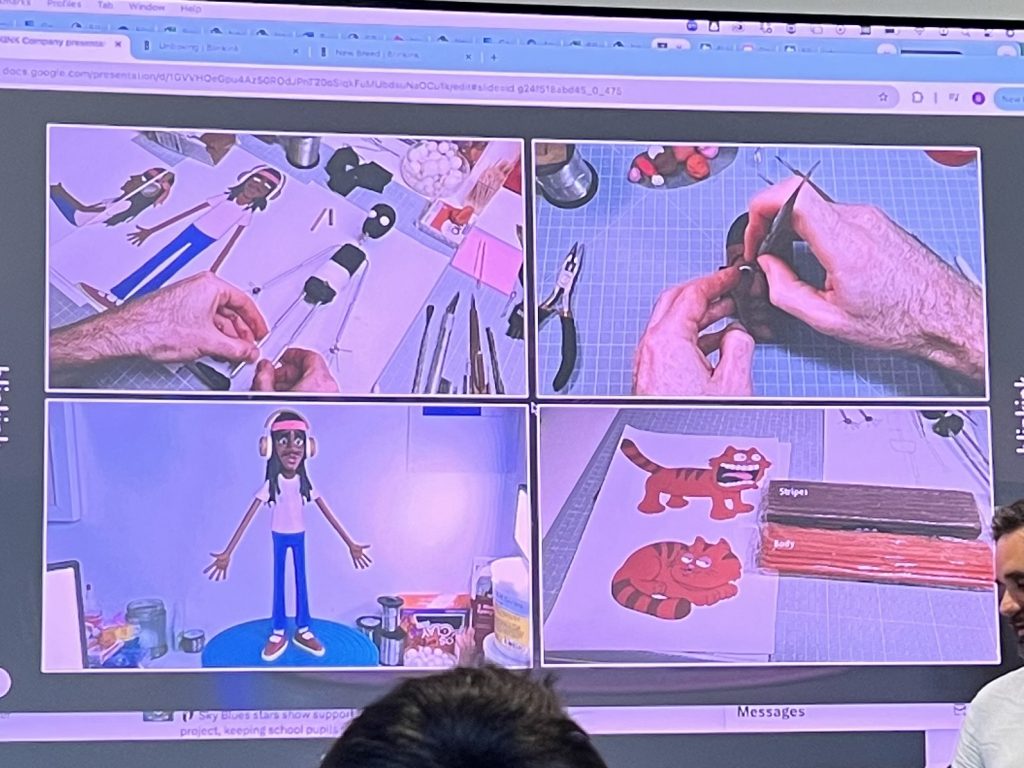

I had the chance to ask the speaker some questions. First, I asked what they value most in a piece of work when collaborating with a studio. They said that storytelling is key. They look for projects that make people want to keep watching, and they used comedy as a great example of this. I also asked if they would choose animators with a very strong personal style. They explained that they don’t focus too much on defining a particular style but they do appreciate standout works. They are open to animators with strong personal styles, as it can bring more diversity to the studio’s portfolio.
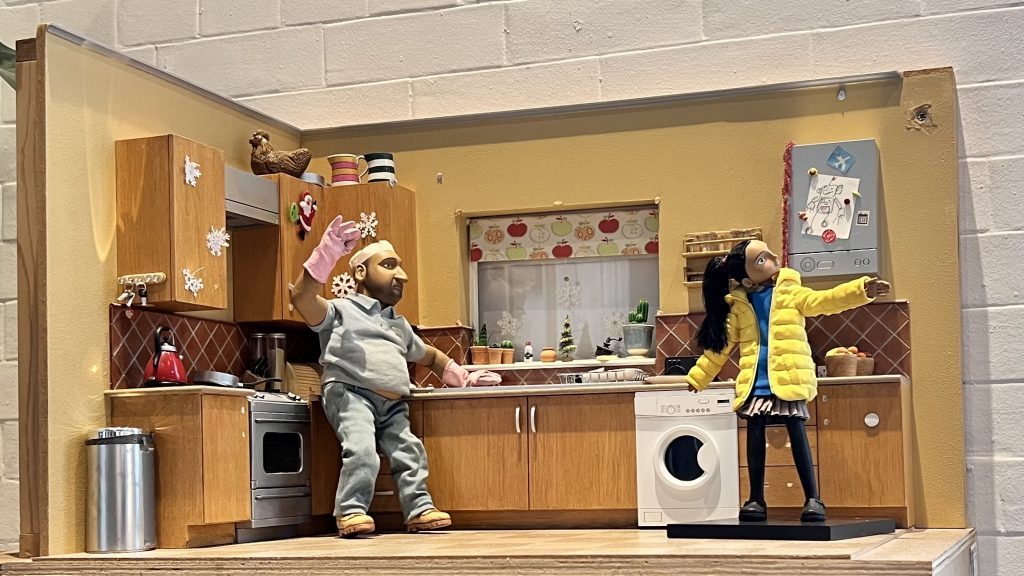
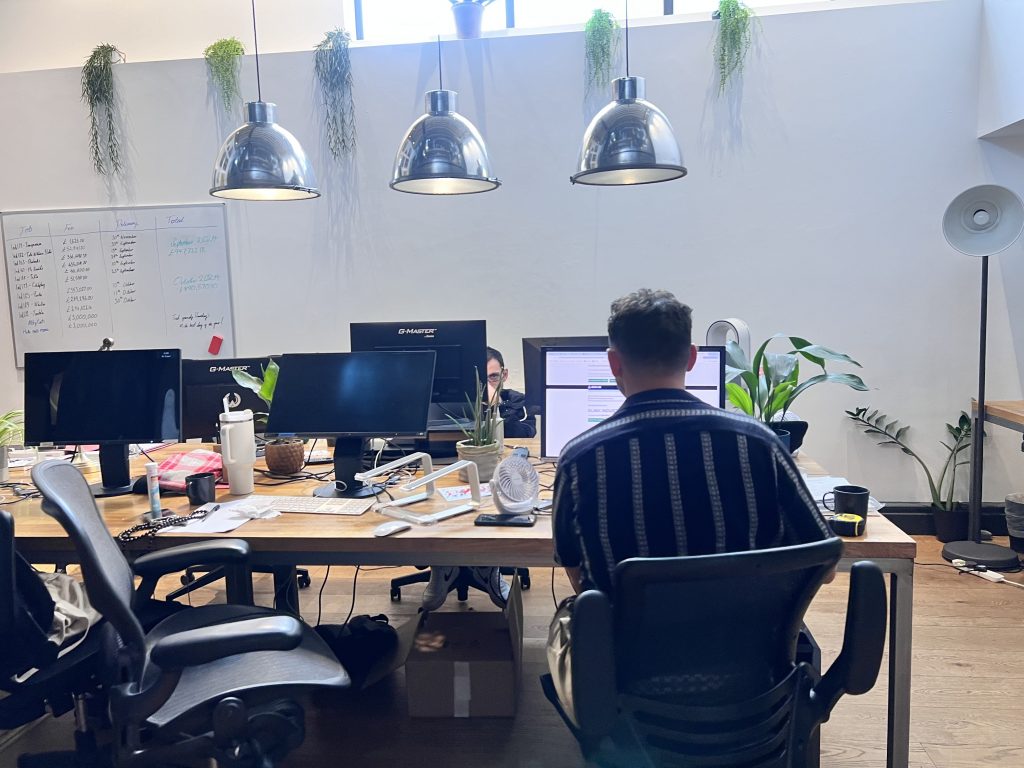
Since I am personally interested in pursuing a career in stop-motion animation, I was also curious about the market for it. I asked if stop-motion still has a strong market today. The speaker was very honest about the challenges—he said that stop-motion is much more difficult and expensive to produce compared to 2D or 3D animation. Each year, only a small number of stop-motion projects get completed. The process is time-consuming and costly, and while it is highly valued by people in the animation industry, it can be hard to sell. Stop-motion is unforgiving but brilliant, and it sometimes experiences periods of popularity. In the UK, especially in Manchester, there are still studios dedicated to commercial stop-motion animation. The staff there are passionate about it and work on various projects that help keep the industry alive. He emphasized that if I truly love this field, continuous learning, hard work, and adaptability are essential for success.
Overall, it was a great experience, and it gave me more insight into both the challenges and opportunities in the stop-motion animation industry.