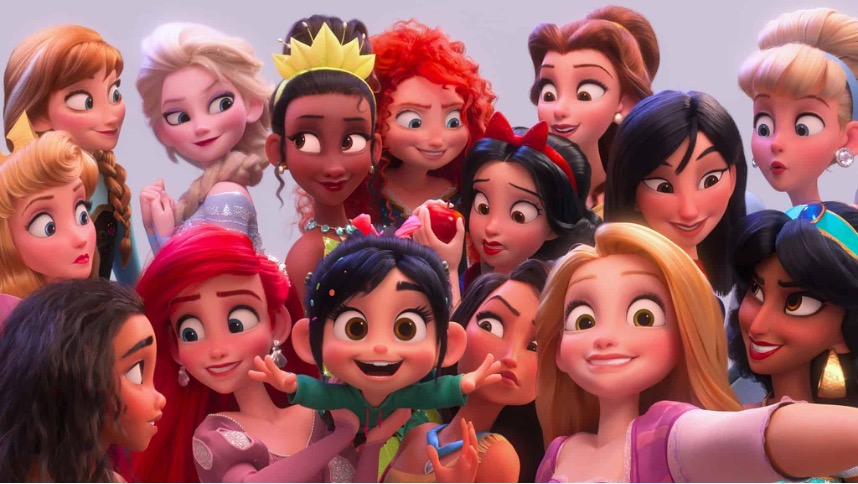
Disney is undoubtedly a very successful film company. It has been a part of almost everyone’s childhood in our time. Children are influenced by the media to perceive gender roles at an early age. Some children even imitate the behaviour of characters in films to understand their own identity and their initial perception of gender. This can lead to the development of gender stereotypes.(Davis, 2006, p.30)
‘Film as a cultural mirror’ Disney princess animation is a microcosm of the status of women in American society and the social stereotypes of women that have influenced the portrayal of female characters at different times. (Davis, 2006, p.17-19) Considering the impression of different social contexts, how did the female characters’ personalities and behaviours change in the animation. I would like to choose three different periods of animation for comparison and analysis.
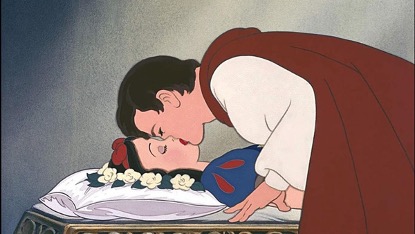
1937-1959: The first being the era of Snow White (1937), Cinderella (1950) and Sleeping Beauty (1959). In this period the United States at that time was experiencing a major economic crisis and the Second World War. The women also had no incentive to fight for power in politics. So, these three redemption princess films would allow people to have a certain vision of the supposedly wonderful life that they aspire for. Therefore, Disney princesses were presented as being weak, passive, and needing to wait to be rescued by the prince. For example, Snow White can only passively wait for the prince to rescue her.
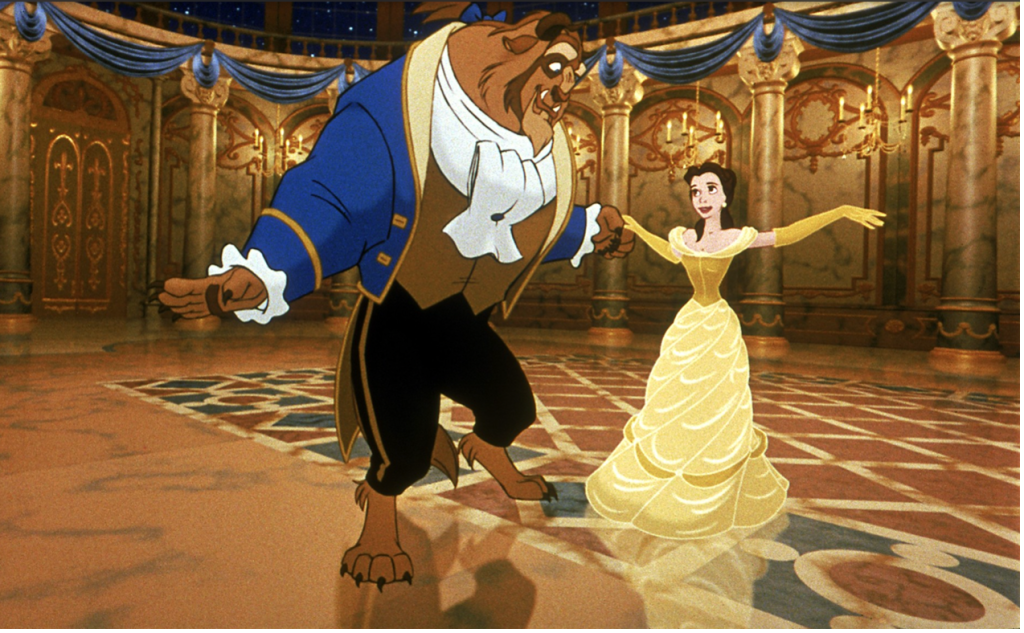
1989-1998: The second group was the 90s animation such as The Little Mermaid (1989), Beauty and the Beast (1991), Aladdin (1992), Mulan (1998). In this period there is a significant development in the female characters, they are no longer passive and start to have their own thoughts. They show more courage to break the rules. During this period, the civil rights movement took place in the United States and women launched the second feminist movement. There was a growing awareness of the importance of gender, sexual orientation, race and class equality. There was also a marked evolution of female characters, who became more proactive and courageous in pursuing their aspirations. The praise for princesses was no longer just ‘good daughters’ but more ‘brave girls’. In the film Beauty and the Beast, Bella is brave enough to face the difficulties and touch the Beast with kindness.
2012-2019: The third group is the 20th century, For example, the emergence of animated productions such as Brave (2012), Moana (2016) and Frozen (2013-19). In the third period, the female characters become independent and have more power. There is less of a love story and more of a focus on friendship and intimacy. The female characters begin to have a sense of independence and focus on their self-development.Disney showed that women could use their power to take control of their own lives.
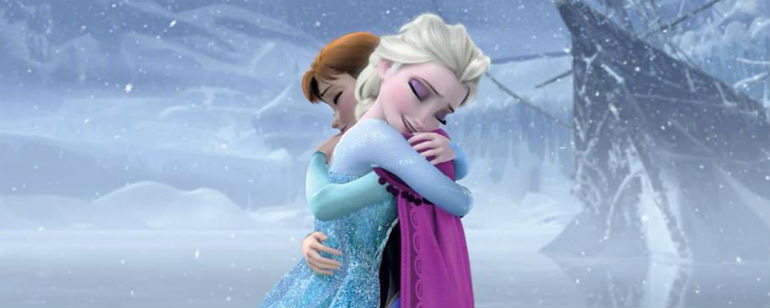
With the changes in society, animated characters are designed with different personalities, styles, and appearances. The idea of animation is also influenced by the audience’s daily life, ideas, opinions, and stereotypes.
Reference:Davis M. Amy (2006) ‘Good girls and wicked witches: women in Disney’s feature animation.’ Eastleigh: John Libbey.